Residential recovery — Rural Co. Meath, Ireland
A place to stop

Recovery begins
in the body.

A residential recovery centre on a working homestead in rural Co. Meath — where the land, the food, the rhythm, and the people are all oriented toward the same thing.

Briar House CLGRural Co. Meath, Ireland
VHI · Laya · Irish Life · HSE

Six-thirty in the morning. The hens are already loud. Someone is collecting eggs in the half-dark, breath visible, the dog moving quietly beside them. Inside, a pot of bone broth has been on since five. The first person awake lit the range without being asked. By the time the others come down, there is warmth, something to hold, and no requirement to speak yet.

The gap

Most recovery programmes treat the behaviour. Very few reach the root.

Addiction and trauma almost always co-exist. The Irish residential recovery system does real work. It also has real limits.

The majority of publicly funded programmes are built around 12-Step frameworks, group work, peer support, and abstinence. Individual therapy is present but not the primary mode. Trauma-integrated residential care exists in the private system — but private residential care in Ireland costs between €360 and €1,700 per day. For the people who most need it, that is not accessible.

The body — sleep, circadian rhythm, gut health, nervous system, food — is almost entirely absent from how recovery is designed. People complete programmes and go back to their lives. The work was real. But they go back before it has had time to take root, and without practical tools for the ordinary conditions of daily life.

Briar House doesn’t change the world people return to. What it changes is what they bring to it — a regulated nervous system, a body that isn’t depleted, and some actual experience of what it feels like to be well.

We operate as a social enterprise — a company limited by guarantee, not for private profit. This means we can offer places to people funded by the HSE, health insurers, and self-pay alike. The business model exists to serve the clinical model, not the other way around.

Why “Briar House”

The briar survives where nothing else grows.

It pushes through hard ground. Its thorns protect something tender underneath. And eventually — if no one tears it out — it blooms.

Recovery is not about escaping who you are. It is about finding your way back to yourself — through the thorns, not around them. We named this place after the thing that grows in the hardest ground because that is exactly what we see people do here.

Ten participants at any one time. Minimum stay one week. Standard stays run four to twelve weeks depending on the stream. For those where longer is clinically indicated — and sometimes it is — the programme extends on that basis, assessed individually.

Seven people around a table. The chef has made something with the goat that was slaughtered last week. One of the volunteers — a young man from a farming family in Galway — is showing someone how to render fat properly. The therapist is eating with them. She is not working. She is just there. This is the thing that cannot be replicated in outpatient care — the ordinary evening, the unremarkable shared meal, the presence of people who are simply living alongside each other.

The approach

Three things that most centres treat separately. We integrate them because the body, the gut, and the land are not separate from recovery — they are recovery.

01

Farm-based therapy

Daily rhythms built around the homestead: dairy goats, chickens, dogs, kitchen garden, bread-making, seasonal land work. These are not activities — they are therapeutic tools that restore purpose, routine, and connection to living things. Residents wake to birdsong and work with animals before breakfast. By the second week, most say it is the first time they have felt useful in years.

02

Somatic & nervous system work

Addiction and trauma live in the body, not just the mind. Our clinical team is trained in Somatic Experiencing, polyvagal approaches, and nervous system regulation. We work with the body as much as the mind — vagal toning, breathwork, sensory integration. This is not an add-on. It is the foundation of everything we do.

03

Gut-healing nutrition

The gut-brain axis is central to mental health. We use a nutrient-dense, gut-healing nutritional protocol to repair the gut lining, reduce systemic inflammation, and support neurological recovery. Bone broth, fermented foods, organ meats, seasonal produce from our own kitchen garden. A twelve-week protocol designed for measurable body and mood transformation.

Who it’s for

Four streams. One model.

Most people arrive carrying more than one of these. The streams are a starting point, not a boundary. Every programme is personalised.

I
Addiction Recovery

Substance addiction — alcohol, drugs, prescription dependency. People who need to rebuild neurotransmitters, rhythms, and a sense of purpose from the ground up. Residents must be medically stable and detoxed on admission — we provide the recovery programme, not medical detox. This is not a 12-Step programme. We work with the body, the nervous system, and the gut alongside evidence-based psychotherapy. 6–12 weeks. Individual + group. VHI, Laya, HSE accepted.

II
Behavioural & Food Recovery

Food addiction, disordered eating, binge eating, gambling, screen dependency. There is no dedicated residential facility for food addiction or binge eating recovery in Ireland. The programme includes nutritional rehabilitation using our gut-healing protocol, somatic therapy, and structured daily rhythms built around the homestead. The relationship with food is rebuilt from the ground up, in a kitchen that produces real food from real soil. 4–8 weeks. Individual-led. Self-pay and insurer.

III
Nervous System Restoration

Burnout, chronic stress, dysregulated nervous systems, gut-brain axis disruption — IBS, histamine intolerance, sensory sensitivities, chronic fatigue. Combines somatic experiencing, vagal toning, circadian rhythm restoration, our full gut-healing protocol, and farm-based activities designed to take the nervous system out of survival mode and into regulation. If you have tried everything outpatient and nothing has held, this is the programme that changes that. 4–6 weeks. 1:1 intensive.

IV
Trauma Recovery

Complex trauma, PTSD, developmental trauma, dissociation. A slower, body-first approach that honours the pace trauma recovery requires. No pressure to “process” before you are ready. The farm, the animals, and the daily rhythms do the early work of creating safety. Clinical modalities include somatic experiencing, EMDR, Internal Family Systems, and equine-assisted therapy. Longer stays allow for the deeper work that outpatient therapy often cannot reach. 8–12 weeks. Strong HSE referral pathway.

Winter, 7am. There is broth already poured. Someone slept badly and is sitting at the kitchen table with both hands around a mug, not speaking. The chef does not ask how they are. She asks if they want more.

Daily life

What it actually looks like.

The structure of a day here is consistent but not rigid. Morning light first — everyone outside within thirty minutes of waking, even in January, even in rain. Then farm work. Then breakfast together, which is not optional. Then a morning block of activity — land work, cooking, building something. Lunch. Afternoon therapy — individual or group depending on the day and the person. Rest. Evening meal, which is the longest and loosest part of the day. An optional evening gathering. Phones held until a designated window.

The rhythm is seven days a week. There are no weekends in the same way. That consistency — the sameness of the morning, the predictability of the meals, the reliable presence of the same people — is itself stabilising for a nervous system that has been living in chaos.

The shape of a day

Morning — Light walk at dawn. Farm chores with Colm: goats, chickens, dogs. Therapeutic breakfast: bone broth, fermented foods, seasonal produce from the garden.

Midday — Clinical session: individual therapy, somatic work, or group process. Kitchen garden, breadmaking, beekeeping, or guided movement. Shared farm lunch.

Afternoon — Group therapy, psychoeducation, creative expression, or equine-assisted work. Quiet hours for rest, walking, journalling, integration.

Evening — Farm chores to close the day. Seasonal meal together. Low light, herbal tea, guided meditation or reflection. Screen-free. Night staff on-site always.

What makes this different

The things that are not standard.

Multi-stream, one roof

Addiction, gut rehabilitation, behavioural and food recovery, and trauma — in one integrated programme. We designed it this way because these issues rarely travel alone.

Farm + therapeutic nutrition

On-site food production, therapeutic farming, and a gut-healing nutritional protocol. The kitchen garden, the animals, and the meals are all part of the clinical model.

Body-first, not talk-first

Somatic Experiencing is our core modality, not an optional extra. We work with the nervous system directly. Most centres still rely primarily on talking therapy. We start with the body.

Flexible length of stay

1–12 weeks, shaped around your needs. Not a rigid 28-day conveyor belt. You stay until something has shifted — then we build your aftercare plan together.

Bees and apiculture

Hive monitoring, bee observation, and seasonal beekeeping provide meditative, present-moment focus. Tangible outcomes. Honey. There is a reason it works.

Accessible, not exclusive

We accept VHI, Laya, Irish Life, and HSE referrals. Social enterprise structure means quality care is not reserved for those who can pay the highest price.

Insurance & funding

We work with the system, not outside it.

Most residential programmes require full upfront payment. We work directly with insurers to minimise out-of-pocket costs, and we accept HSE-funded referrals. If you have a specific insurance query, note it when you get in touch and we will confirm your coverage as part of your free assessment.

Accepted insurers & funders
VHI Laya Healthcare Irish Life Health HSE

Insurer credentialing is in progress (6–12 week process). We also accept private self-pay. HSE-funded places are available through referral from your local Drug and Alcohol Task Force or GP.

The people

Founded by practitioners, not investors.

Every decision starts with the question: what does the person in front of us need? The team lives in or near the centre. The therapist eats dinner with the residents. The homestead keeper knows every animal by name. This is deliberate.
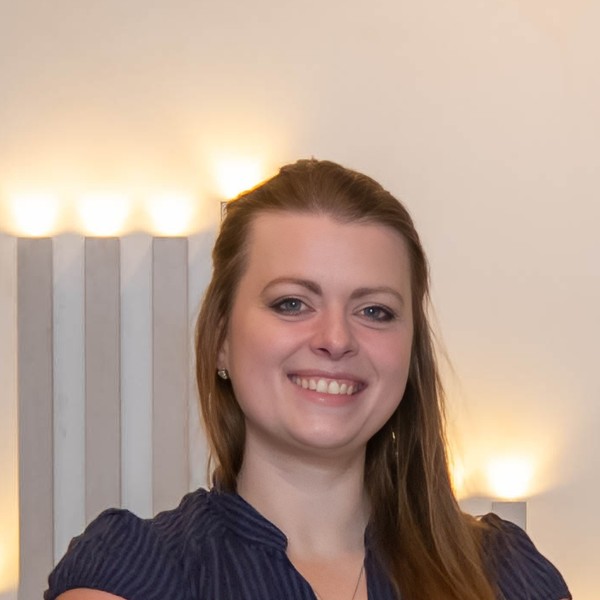
SM

Sarah Machon

Founder & CEO

Operations and strategy. Deep experience in scaling care systems. Sarah designed the four-stream clinical model and brings the commercial rigour needed to build sustainable care.
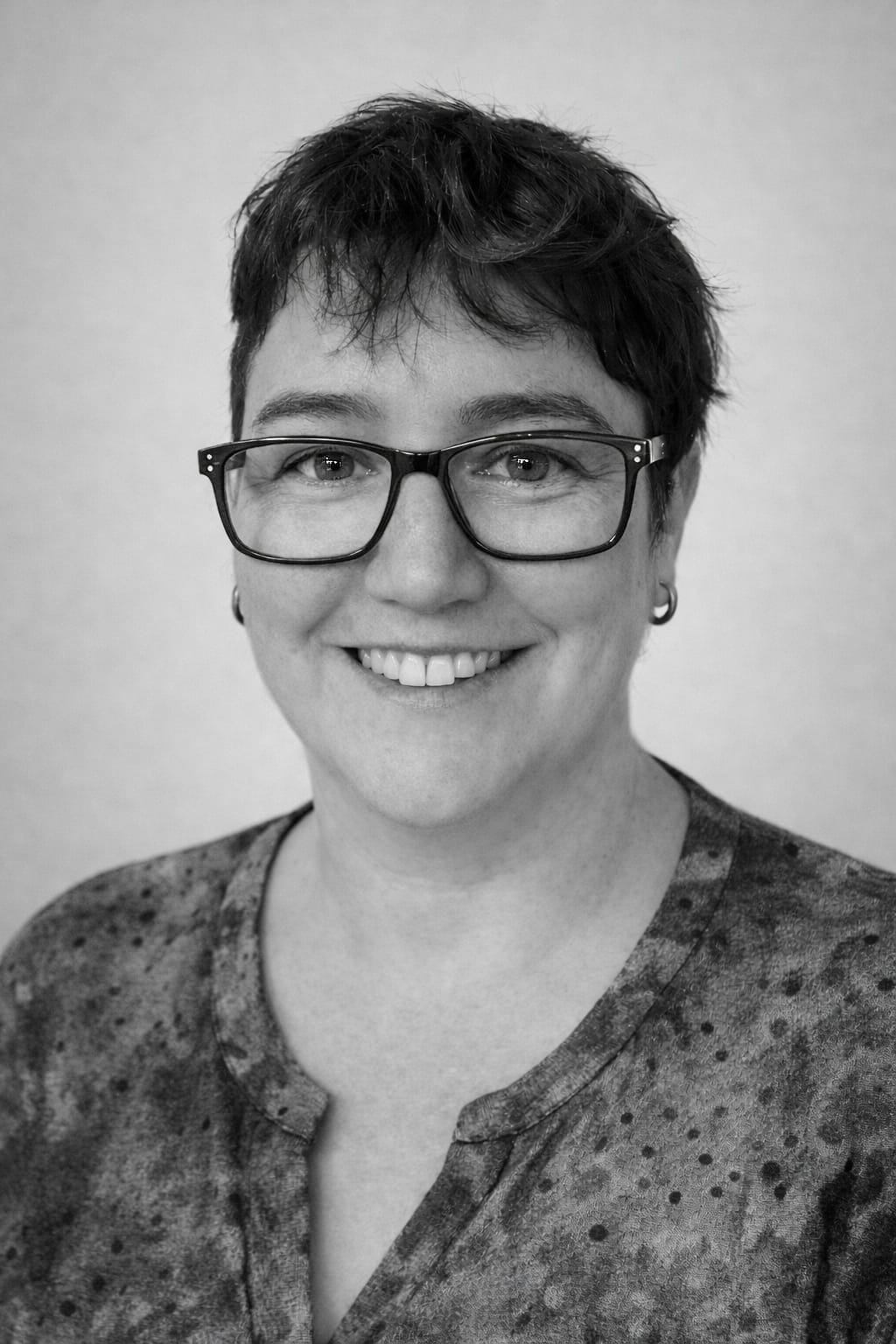
KA

Katherine Argue

Founding Team Member & Clinical Lead

Counsellor, psychotherapist, and Somatic Experiencing practitioner specialising in addiction, trauma, and nervous system work. Katherine brings deep clinical experience in addiction recovery, crisis intervention, and family support. Her work with the body, the land, and the person is the clinical heart of everything here.
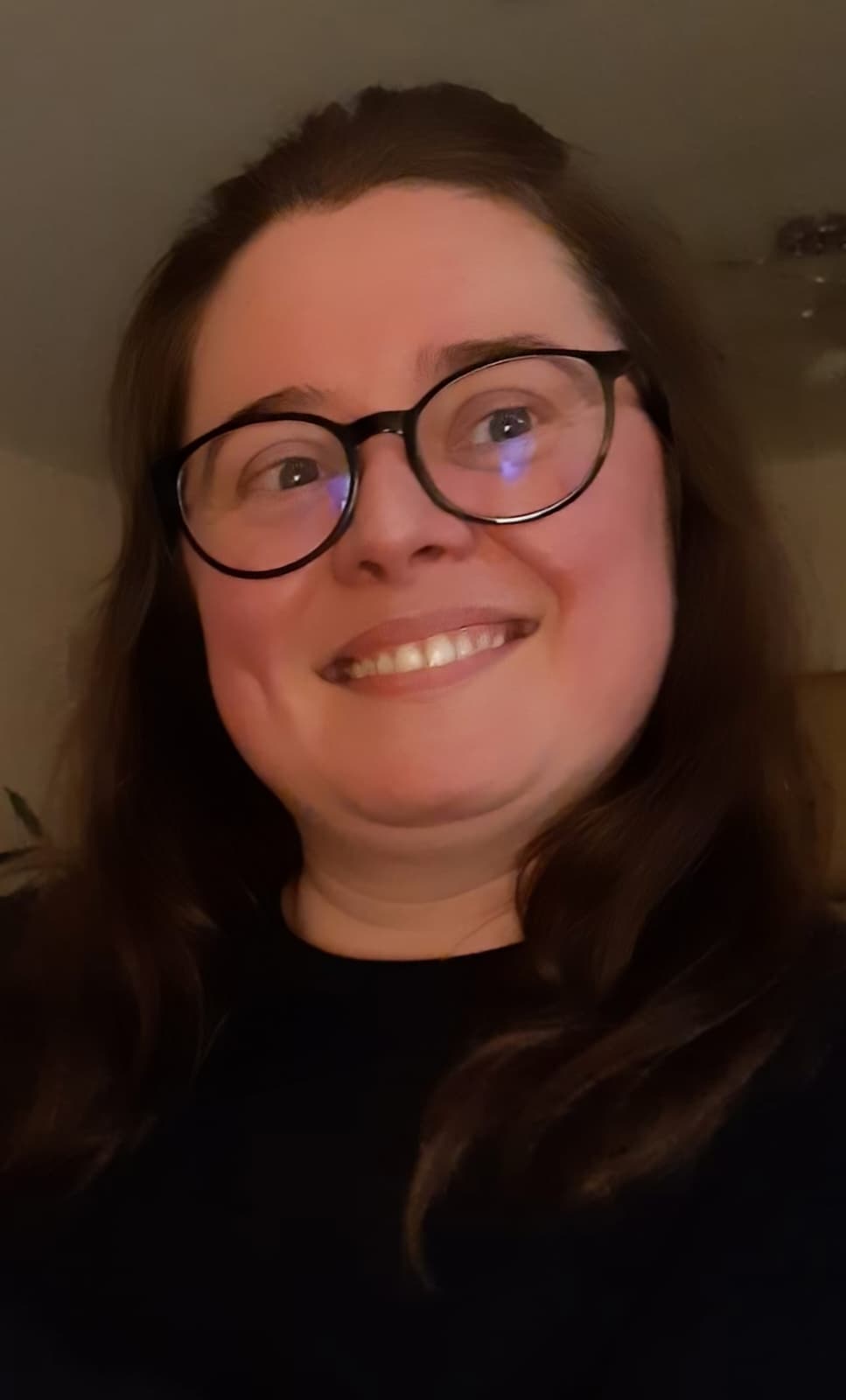
RS

Raluca Serban

Founding Team Member & House Manager

The operational anchor. Finances, administration, housekeeping, and the hundred small things that make a residential setting feel like a home rather than an institution.
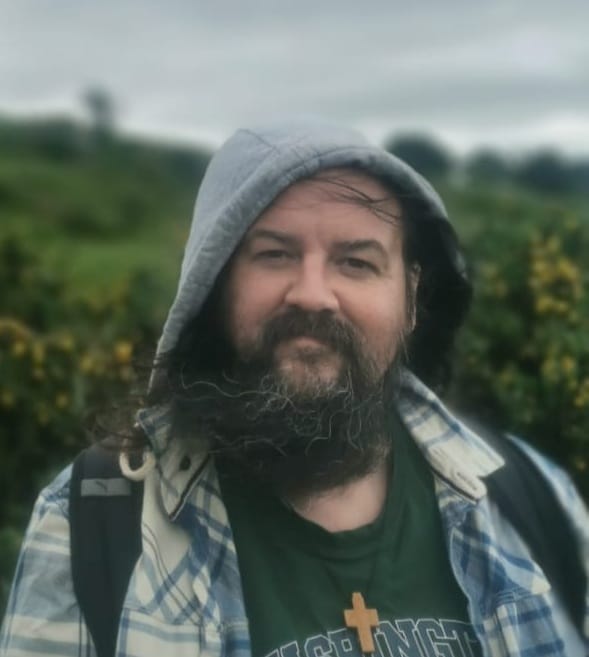
CH

Colm Hackett

Founding Team Member & Homestead Lead

The land, the animals, and the people. Colm leads the daily farm work that forms the backbone of the therapeutic day. He holds the space where residents rediscover what it feels like to be responsible for something alive.

The setting

The isolation is part of the medicine.

Rural Co. Meath. Within an hour of the midlands and easily reached from Dublin. Remote enough that when things get hard, the default is to stay and work through it. Close enough that visitors and family can reach you. The world cannot reach our residents unless they choose it.

A working homestead, not a clinic.

Residents wake to birdsong, work with animals, eat food from the garden, and sleep in a house that feels like home. Dairy goats, chickens, dogs, kitchen garden, beehives, walking trails. Screen-free evenings. A Great Pyrenees who will sit beside you without requiring anything of you.

Exact location shared after assessment.

Working homestead Dairy goats & chickens Kitchen garden Beehives Walking trails Dogs on-site Screen-free evenings
Questions

Things people ask.

Do I need to have completed detox before arriving?
Yes. Briar House is a recovery programme, not a medical detox facility. You must be medically stable and substance-free on admission. If you need detox first, we can help you find an appropriate service and hold your place until you are ready. Your GP can also arrange supervised detox before referral.
Is this a 12-Step programme?
No. Our approach is body-first and trauma-informed. We use Somatic Experiencing, polyvagal theory, therapeutic nutrition focused on gut-brain restoration, and evidence-based psychotherapy. We respect the 12-Step tradition, but our clinical model is built on the understanding that addiction and trauma are nervous system problems that require whole-person, whole-body intervention.
Will my health insurance cover the cost?
We are applying for listing with VHI, Laya Healthcare, and Irish Life Health. Coverage depends on your specific plan. When you get in touch, note your insurer and we will confirm your coverage as part of your free assessment. Insurer credentialing typically takes 6–12 weeks.
Can I bring my phone?
We operate a structured technology policy designed to support your recovery. Evenings are screen-free. The goal is to create space for your nervous system to down-regulate — screens work against that, especially in the first weeks. Details are discussed during your assessment and admission.
What does the nutritional programme involve?
Our therapeutic nutrition programme is designed to heal the gut lining, restore beneficial gut bacteria, and reduce systemic inflammation — all of which directly support mental health and recovery. We use a nutrient-dense, high-protein, low-oxalate approach built around bone broth, fermented foods, organ meats, and seasonal produce from our own kitchen garden. All meals are prepared on-site and the protocol is adapted to each resident over a twelve-week cycle.
Can I visit before deciding?
We offer a free, confidential phone assessment as the first step. This helps us understand your needs and helps you understand whether Briar House is the right fit. We may also arrange a visit to the homestead before admission. There is no pressure at any stage.
I am enquiring for a family member.
Many of our enquiries come from family members. You can get in touch on their behalf and we will arrange an initial conversation to understand the situation. All our admissions are voluntary — the person must want to be here — but we can help you navigate that conversation.
What happens after I leave?
We develop a structured aftercare plan before your departure, including continued therapeutic support, GP liaison, and connection to community services. Recovery does not end when you leave Briar House — it transitions. We are building an alumni community to support long-term connection.
I am a professional — GP, therapist, social worker — and I want to refer a client.
We welcome professional referrals. You can request our clinical brochure using the form below, which includes detailed information on admission criteria, clinical modalities, and the referral pathway. We are also happy to speak directly — clinician to clinician — about whether Briar House is the right fit for your client.

Light until 10pm. The evening meal is outside on a long table. Someone who arrived in the depths of winter, barely able to speak, is laughing. They do not notice they are laughing.

Where we are

We are building this. Transparently.

Briar House is not yet open. We are in the early stages of making it real — and we think you should know that.

The clinical model is designed. The team is in place. What we are doing right now is searching for the right property in Co. Meath — a working homestead or rural property with the land, outbuildings, and character to hold this work. We are also building the relationships, funding, and regulatory foundations that a residential centre requires.

We opened the waitlist not because we are ready to admit — but because the need is real, and showing that demand exists is one of the most powerful things we can do to make this place happen. Every person who signs up strengthens the case for funders, insurers, and partners that this centre should exist.

If you are a property owner, landowner, philanthropist, HSE stakeholder, clinician, investor, or simply someone who believes this should exist — we would love to hear from you. Briar House will be built by a community of people who understand that Ireland needs a different kind of residential recovery.

Get in touch about collaborating →

Be part of it

Show that this place needs to exist.

Every name on this page helps prove the demand for a different kind of residential recovery in Ireland. Whether you need this place or want to help build it — your signal matters.

I need this place

For yourself, a family member, or a client. You will be among the first to know when Briar House opens. We may reach out for a confidential conversation to understand your needs.

Your information is completely confidential.

Thank you.

You are on the Briar House waitlist. We will be in touch as things progress — and your name here helps make this real.

If you need to speak to someone urgently, please call the HSE Drug & Alcohol Helpline on 1800 459 459.

I want to help build it

For practitioners, property owners, donors, HSE stakeholders, and anyone who believes this should exist. Tell us who you are and we will be in touch.

We will respond personally. No automated emails.

Are you a GP, therapist, or social worker looking for referral information?

Thank you. We will send the clinical brochure to your email shortly.
If you or someone you know is in crisis: HSE Drug & Alcohol Helpline 1800 459 459 · Samaritans 116 123 (free, 24/7) · Emergency 112